

Hebei Runhuabang New Material Technology
Co., Ltd. is a comprehensive enterprise
integrating production, processing and sales
Our company mainly produces and operates
non-metallic minerals such as iron oxide
pigments, tourmaline, far-infrared powder,
iron powder, etc
Our company adheres to the concept of quality
first and integrity management, and sincerely
invites customers at home and abroad to
establish good cooperative relations
18
+
years
Industry experience
30
+
platform
Production equipment
13000
+
㎡
Factory size
50
+
person
staff member
WHAT WE DO
talc in soap safe
Calcined Diatomite 325 Mesh for Sewage Treatment: What We’re Seeing on the Ground In the last two years, utilities have pushed hard for lower sludge volumes and steadier effluent quality—without ballooning OPEX. One material that keeps popping up in pilot notes and purchase orders is the Runhuabang Sewage treatment feed addition with calcined diatomite 325 mesh suspension performance good fireproof material filled . Based out of 0811, Building H2, Poly Plaza (North District), 95 Shifang Road, Chang’an District, Shijiazhuang, Hebei, the team has been pushing a consistent calcined grade that plays nicely with clarifiers and DAF units. Honestly, I was skeptical until I saw the jar tests. Why calcined diatomite 325 mesh is trending At 325 mesh, you get fine particles that stay suspended long enough to interact with colloids, oils, and dyes—helping coag-floc packages do their thing. Many operators say it brings an extra “polishing” effect to secondary clarifiers and trims polymer usage. And because it’s silica-based and inert, it’s also a tidy fit for applications needing fireproof fillers in composite linings near high-temperature equipment—handy crossover if your plant doubles materials. Indicative product specifications Parameter Typical Value Notes Particle size 325 mesh (≈45 μm) Sieve per ASTM E11 SiO₂ content ≈ 85–90% Calcined diatomite grade Bulk density 0.20–0.30 g/cm³ Real-world use may vary pH (slurry) 6.5–8.5 Neutral to slightly alkaline Suspension index (30 min) ≥ 95% Jar-test method (APHA) Fire classification A1 (non-combustible) Per EN 13501-1 (indicative) How plants use it (process flow) Materials: Runhuabang Sewage treatment feed addition with calcined diatomite 325 mesh suspension performance good fireproof material filled , water for slurry (5–10%), coagulant (e.g., PAC), polymer as needed. Method: Pre-slurry in a mixing tank; dose 50–300 mg/L into rapid mix before coagulant. For DAF, dose just upstream of contact zone. Testing standards: Jar tests per Standard Methods; sieve checks per ASTM E11; fireproof filler checks per EN 13501-1 (for composite uses). Service life: Material is consumable; storage life ~24 months sealed and dry. Industries: Municipal WWTPs, food & beverage, textiles/dyes, petrochemical separators, landfill leachate polishing. Advantages and real-world notes Operators report steadier sludge blankets, reduced polymer (≈10–25%), and better capture of dispersed oils and color bodies. It’s inert, low-density, and—surprisingly—easier on pumps than some mineral aids. As a fireproof filler, it boosts A1-class composites without killing rheology. Mini case study: textile WW reuse A midsize textile plant trialed Runhuabang Sewage treatment feed addition with calcined diatomite 325 mesh suspension performance good fireproof material filled at 120 mg/L before PAC. Results over 3 weeks: turbidity down from 18–22 NTU to 6–8 NTU; color removal +15% versus baseline; sludge volume index improved ≈12%. Polymer cut by ~17%. No adverse impact on downstream MBR. Vendor snapshot (quick comparison) Vendor Mesh Consistency Suspension Certs Notes Runhuabang Tight (ASTM E11-verified) High (≥95% @30 min) ISO 9001 (supplier declared) Reliable batch-to-batch, strong tech support Brand A Good Medium — Lower cost, variable moisture Brand B Fair Medium–High — Lead times longer Customization, QA, and documentation Custom mesh blending and slurry concentrates (≈10–30%). COA per batch; particle size checks to ASTM E11; water tests to Standard Methods. Fireproof filler data aligned with EN 13501-1 classification workflows. Quality system: ISO 9001-aligned production (ask for current certificate). What customers say “Polymer went down, turbidity stabilized.” Another added, “It seems that oil carryover was noticeably lower in the DAF—nice surprise.” To be honest, that’s consistent with what I’ve seen in field trials. Citations APHA, AWWA, WEF. Standard Methods for the Examination of Water and Wastewater. ASTM E11 – Standard Specification for Woven Wire Test Sieve Cloth and Test Sieves. EN 13501-1 – Fire classification of construction products and building elements. ISO 9001:2015 – Quality management systems – Requirements.
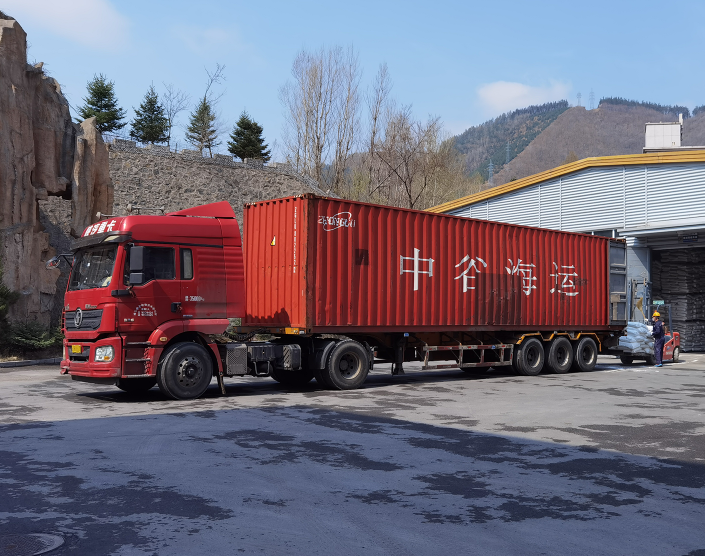
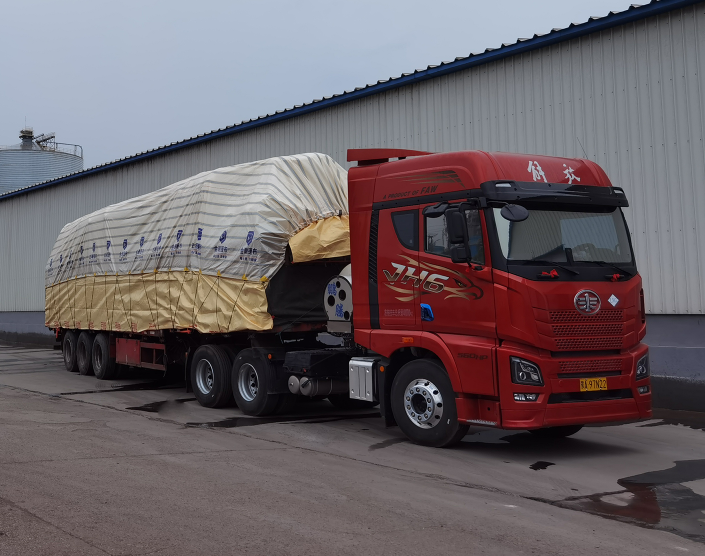
Mining&Production
The company has a large scale and outstanding
production capacity, with an annual output of
200,000 tons; With its excellent product quality
and perfect service system, it sells well exported
to Europe, the United States, the Middle East,
Southeast Asia and other more than 100 countries
and regions, well received by the market and customers.
Processing&Sales
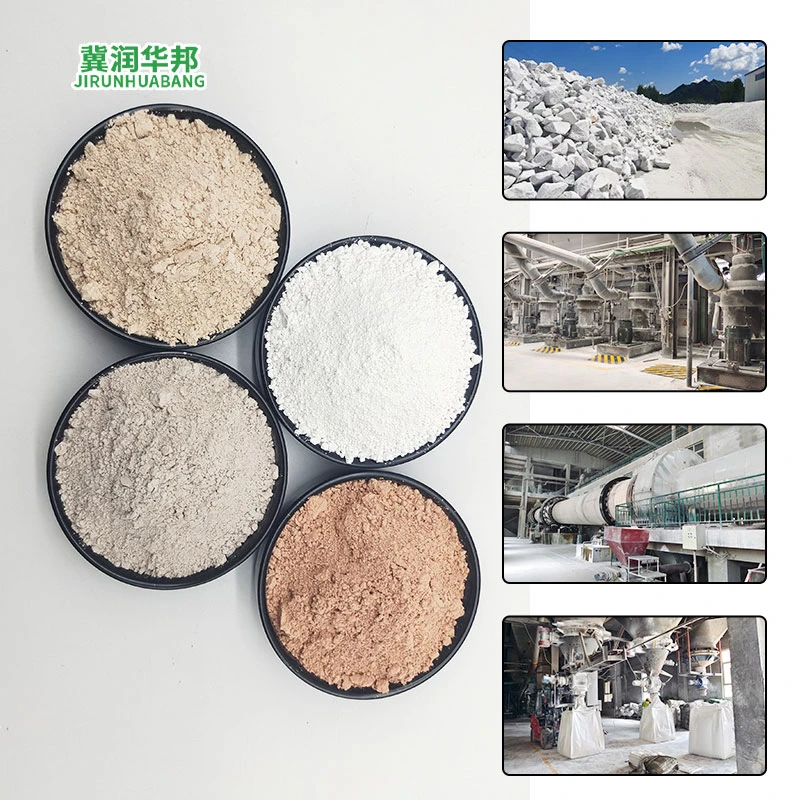
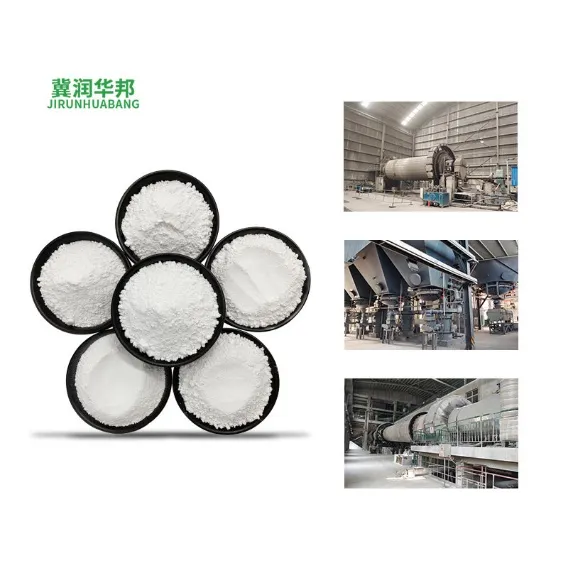
The company takes technology as the forerunner,
continuously carries out technological innovation,
and strictly follows the quality management system
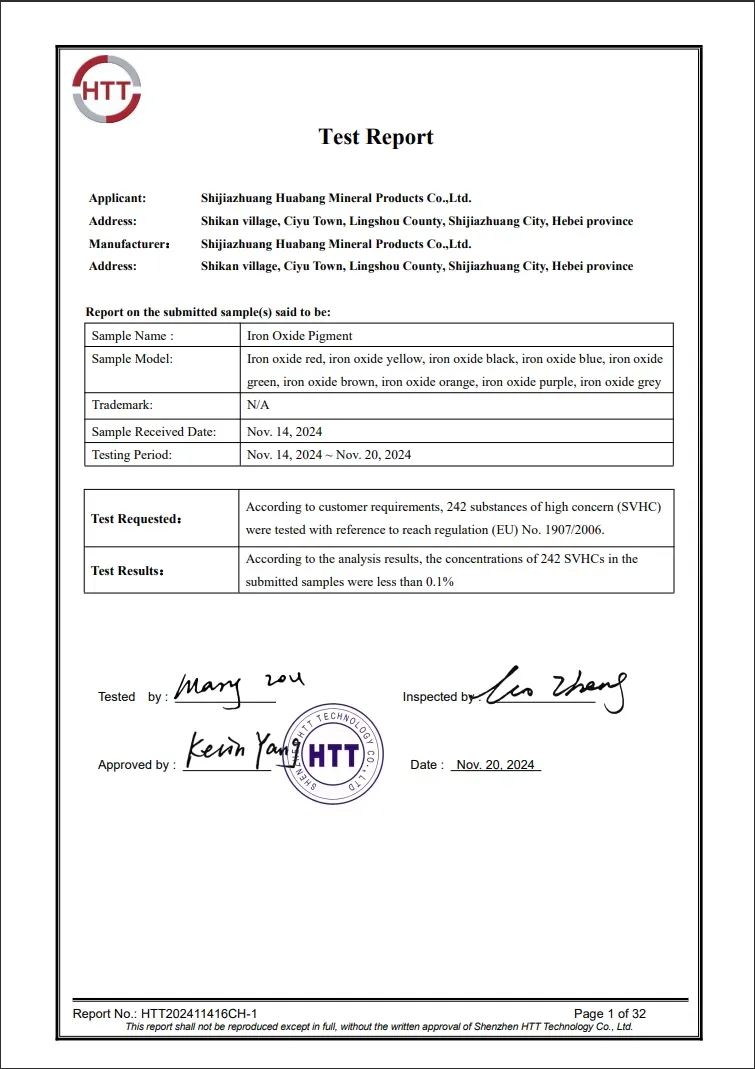
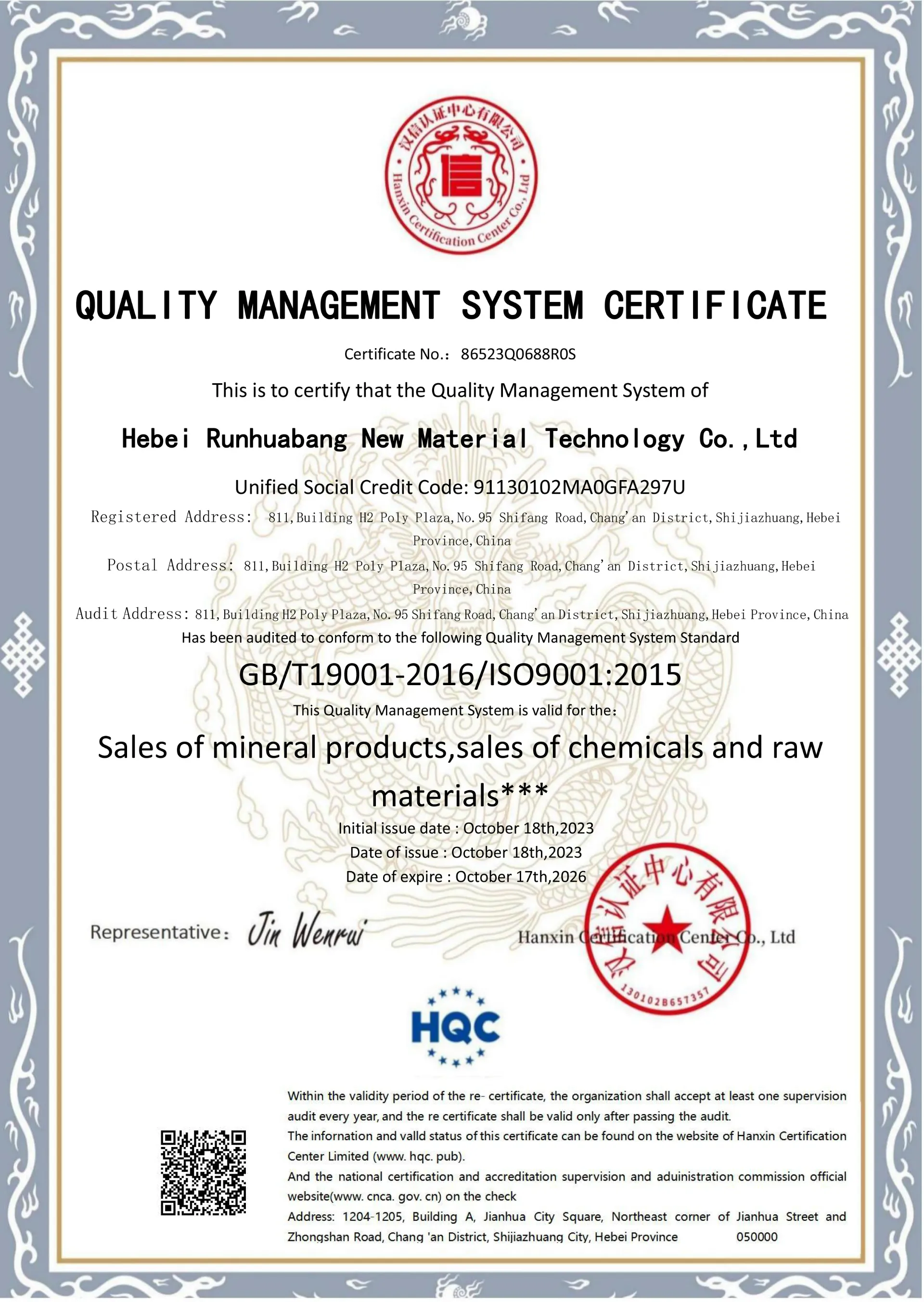
in production.Our products have passed ISO 9001
technical qualification certification and are exported
to more than 70 countries and regions in Southeast
Asia,Western Europe and North America...
Machining
process

Ore mining


Broken
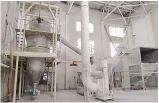


Picking
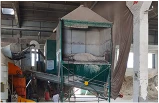


Washing
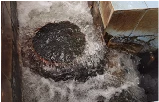


Dry
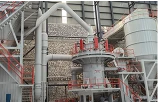


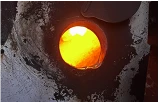
Calcination


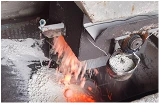
Screening


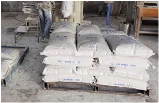
Wrap


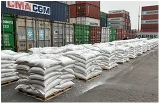
Transtorp


Quality assurance
Set up a perfect quality management system,professional quality inspectors

Team of Professionals
Establish a professional quality inspection team,strictly control the production process to ensure product qualit

Quality service
Professional customer service 24 hours a day fast response,timely answer your questions

Source manufacturer
18 years of mineral product production & export experience
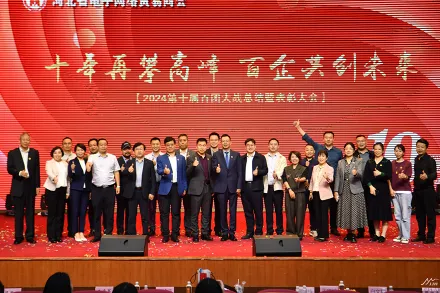
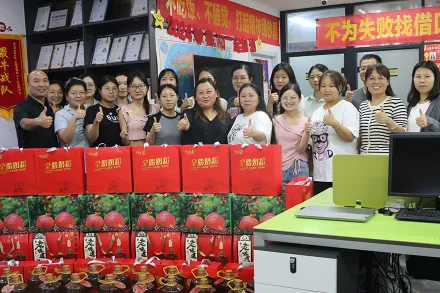
CUSTOMER VISITS AND EXHIBITIONS
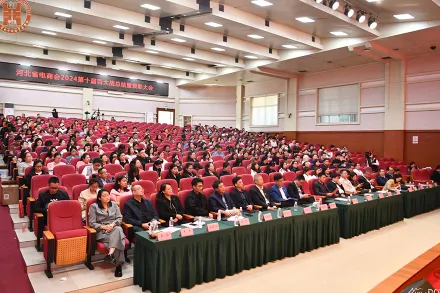
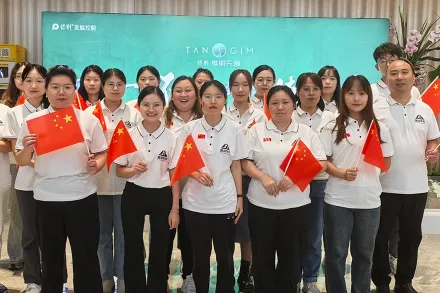
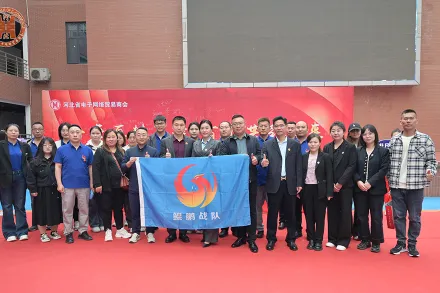
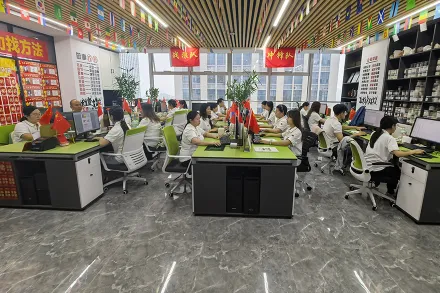
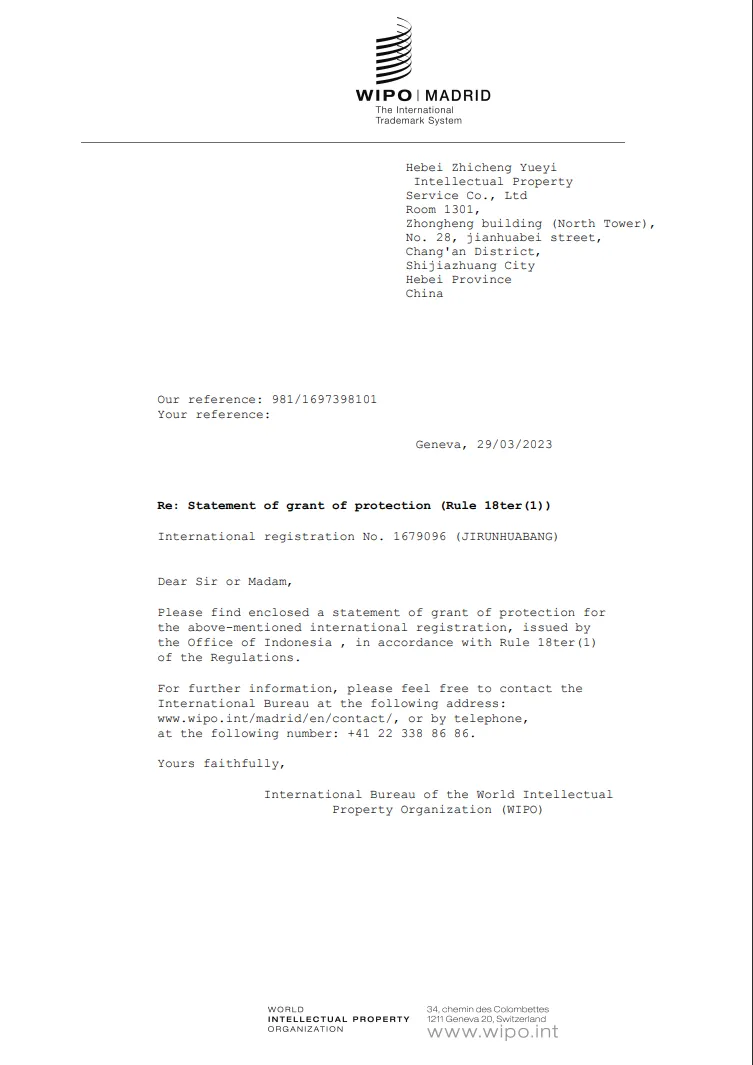
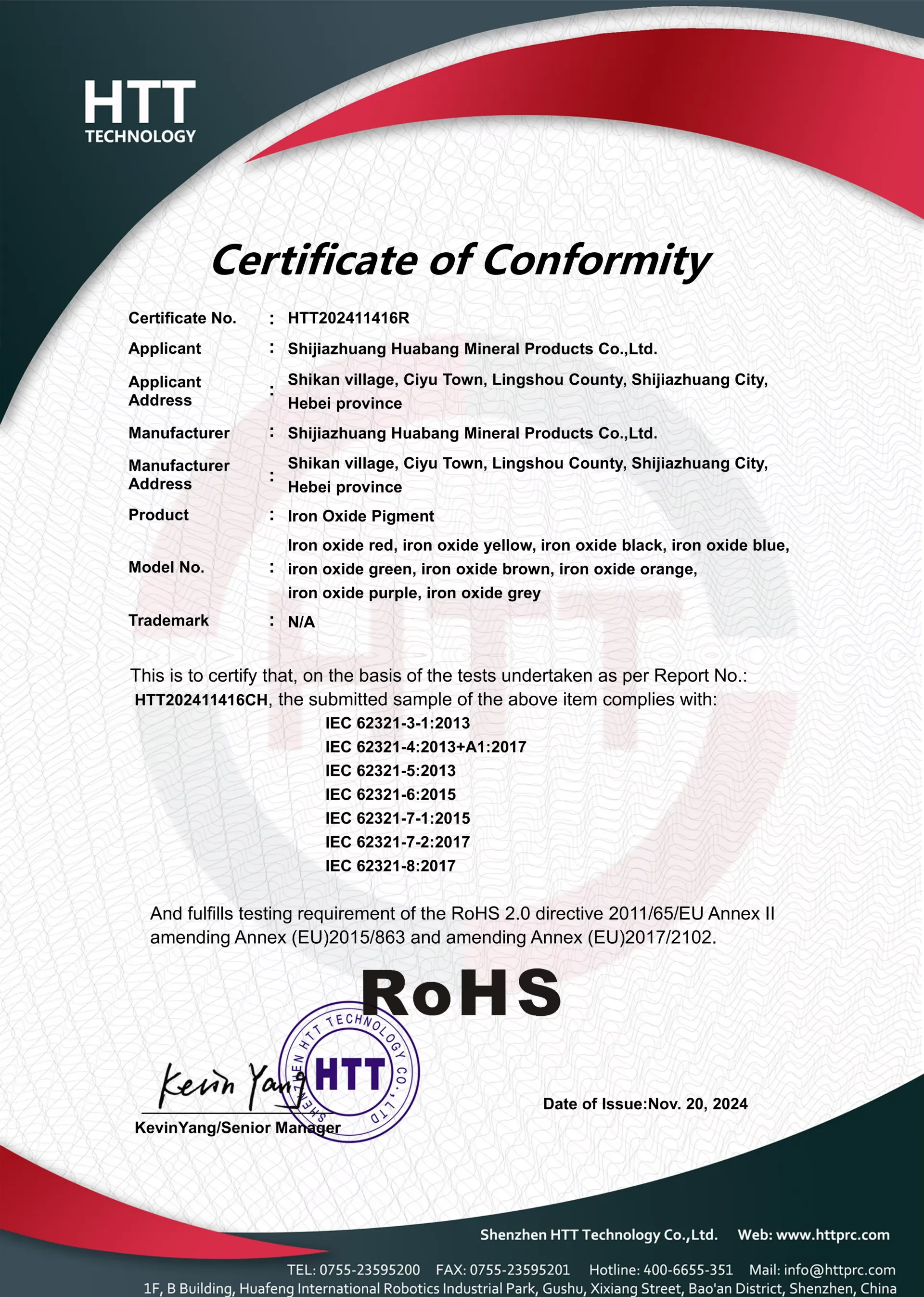
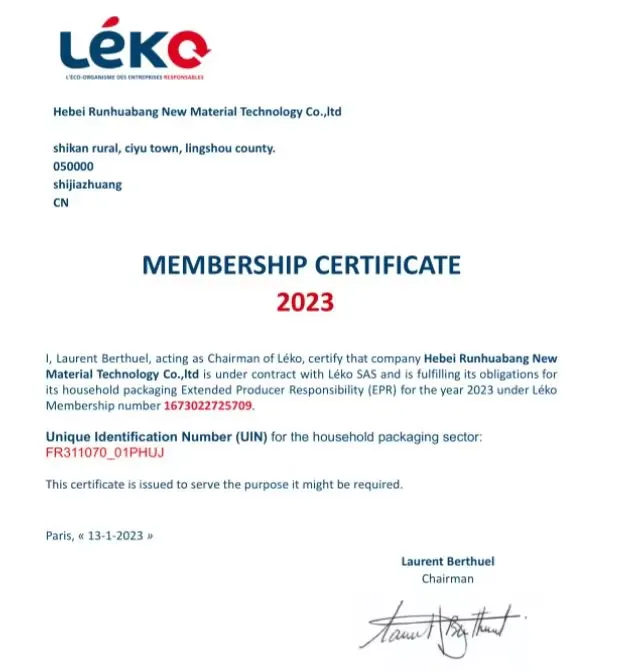
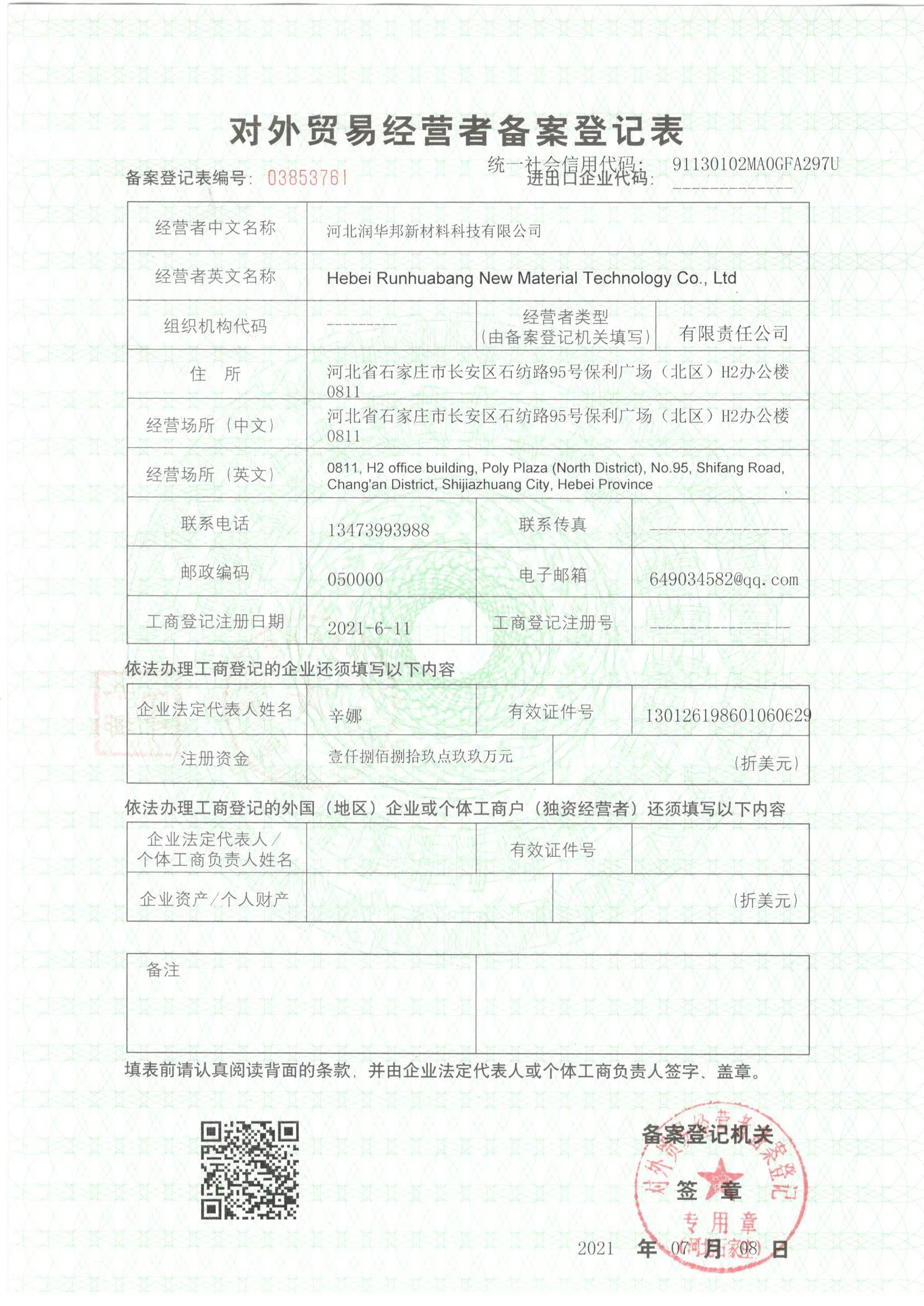
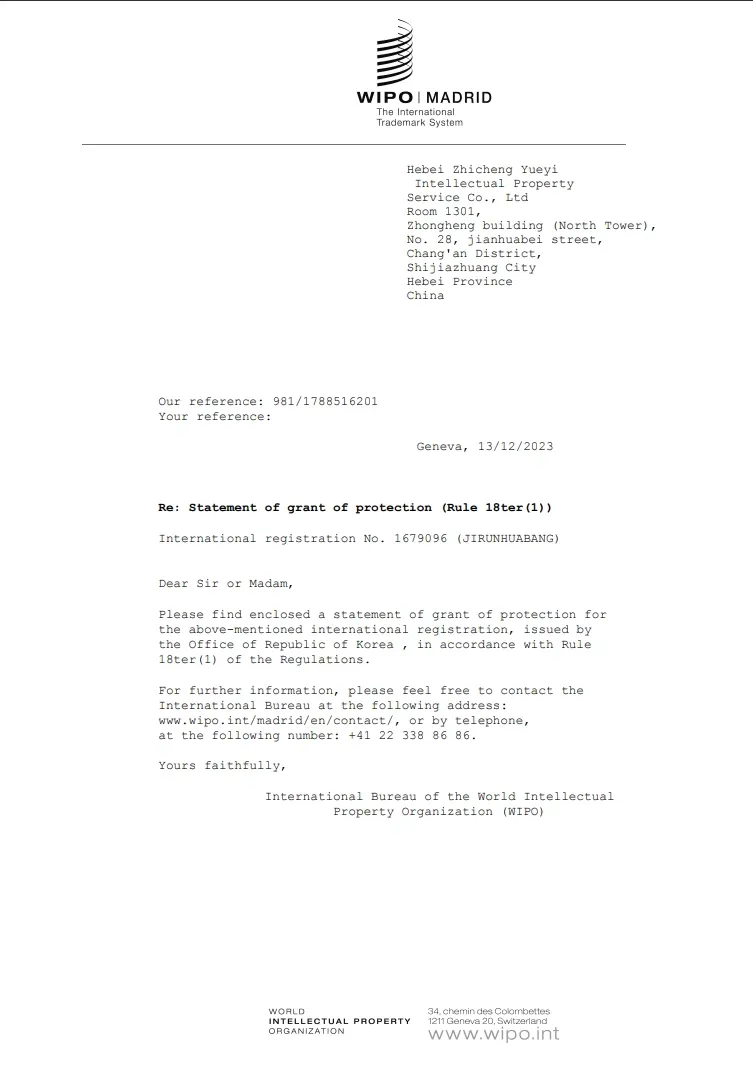
OUR certificate


OUR BLOG
2026-06-20 18:42
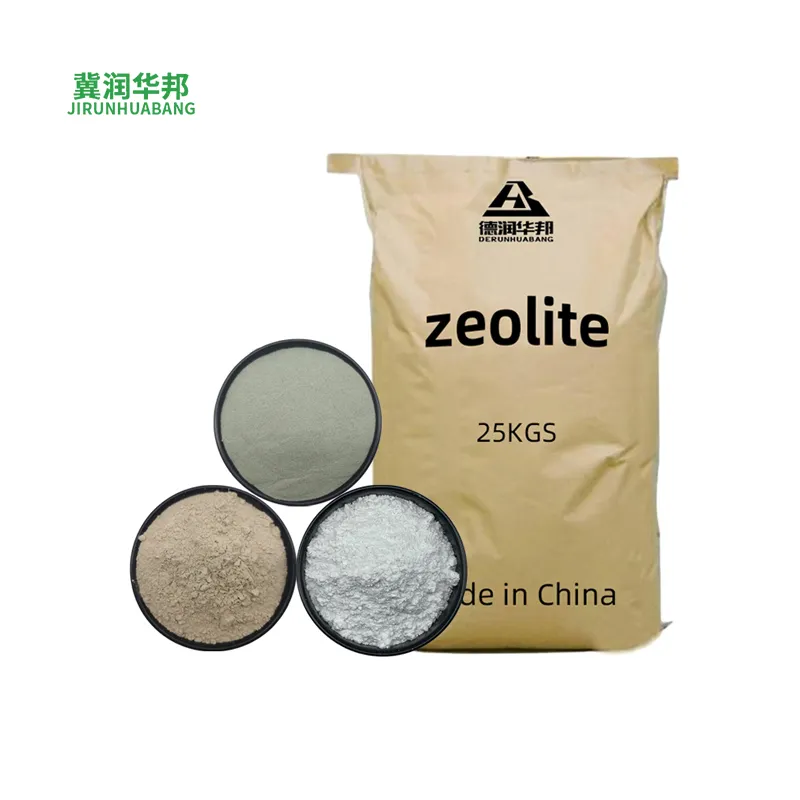
Unlock the Power of Zeolite Clinoptiolite_ The Ideal Solution for Water Treatment and More
As industries worldwide seek efficient and eco-friendly solutions, zeolite clinoptiolite has emerged
2026-06-20 18:24
Runhuabang Colored Sand_ Aquarium, Blasting, Floor, Landscaping
Unlocking Versatility: The Unmatched Potential of Runhuabang color sand for aquarium decoration sand

2026-06-20 19:45
Tourmaline Powder Paper Coating Additive Enhance Printability Improve Paper Smoothness Increase Ink
Specialty paper and packaging paper require high printability, smooth surfaces, and efficient ink ab



About Runhuabang
Hebei Runhuabang New Material Technology Co., Ltd. is a comprehensive enterprise integrating production, processing and sales
Get In Touch
0811, Building H2, Poly Plaza (North District), 95 Shifang Road, Chang 'an District, Shijiazhuang, Hebei

Copyright © 2025 Hebei runhuabang New Material Technology Co.,Ltd. All Rights Reserved. Privacy Policy


